
 Safeguarding
 Support




ShelterBox was founded in the year 2000 and is based in Truro, Cornwall. Twenty-six years on ShelterBox has grown from a local volunteer led effort into an independent international disaster relief organisation that has supported more than 3 million people in around 100 countries.
It is one of very few organisations focused on emergency shelter. It is a charity that delivers aid to families devastated by conflict or disaster, to give them durable shelter, the tools to rebuild communities and other disaster relief items that are essential for survival. It delivers aid to some of the most remote communities in the world working hard to reach those who are overlooked by others.
ShelterBox believes that Shelter is the foundation for life – for survival, stability and dignity. It offers a place for families to feel safe, stay together, stay healthy, earn a living and help children get an education.
When ShelterBox started out everything centred around its iconic green box – one size fits all. But ShelterBox has evolved. Now aid is tailored to each situation and today with the number of people worldwide forced from their homes by disasters, conflict and climate change it does much more.
ShelterBox recognises that in desperate circumstances immediate aid is critical and has devised a strategy whereby they can get aid to support those in the most dire need. They assess the situation as quickly as possible with partners on the ground and create tailored support to meet complex situations.
Depending on the weather and the place the types of shelter people need differ. For some disaster-hit communities family size tents are the best solution until they are able to start rebuilding their homes. Sometimes padded tents that safely accommodate a stove help protect people from freezing temperatures. In other situations, medium-sized tents that fit in small spaces might be preferred.
In other disasters shelter repair kits provide heavy duty tarpaulins, ropes and nails, hammers, handsaws and shovels which are needed to create emergency shelter or to patch-up damaged buildings. ShelterBox gives families the shelter, tools and support they need to start their own recovery.
Shelter provides relief, stability and a safe place to rest, to sustain life and encourage hope in those in the most desperate circumstances.
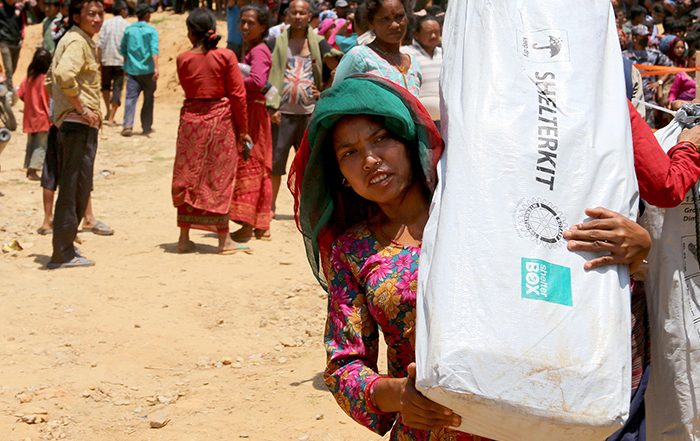
ShelterBox however also knows that a home is much more than bricks and mortar or tarpaulin and tent pegs. That’s why they offer other disaster relief items that are essential for survival and can help to turn a shelter into a home.
For example
A water filtration unit and water containers.
When clean water is hard to find, water filters help people to produce safe drinking water. ShelterBox’s water filter removes bacteria, viruses, and protozoa that can be found within contaminated water.
For just £60, one water filter can clean up to 200,000 litres of unsafe drinking water. That’s around 845,350 cups of water for a family!
Solar lights.
Lights which are waterproof, easy to recharge, even on overcast days, and last up to 3 years. Without light, families living in temporary shelters often find it difficult to do simple chores or activities after the sun sets. Solar lights can allow them to cook meals at night and eat together as a family. At night time, solar lights give children a sense of comfort through the darkness.
Mosquito nets.
In countries where insect-borne diseases are common, the mosquito nets ShelterBox provides are coated with insecticide and can simply and effectively make families feel safer and protect them from life threatening diseases. Sleeping under mosquito nets is one of the best ways for families to protect against malaria.
Fuel efficient stoves for cooking.
Wood burning stoves are more fuel-efficient and require less firewood. They not only allow families to prepare meals but also provide warmth to those who need it.
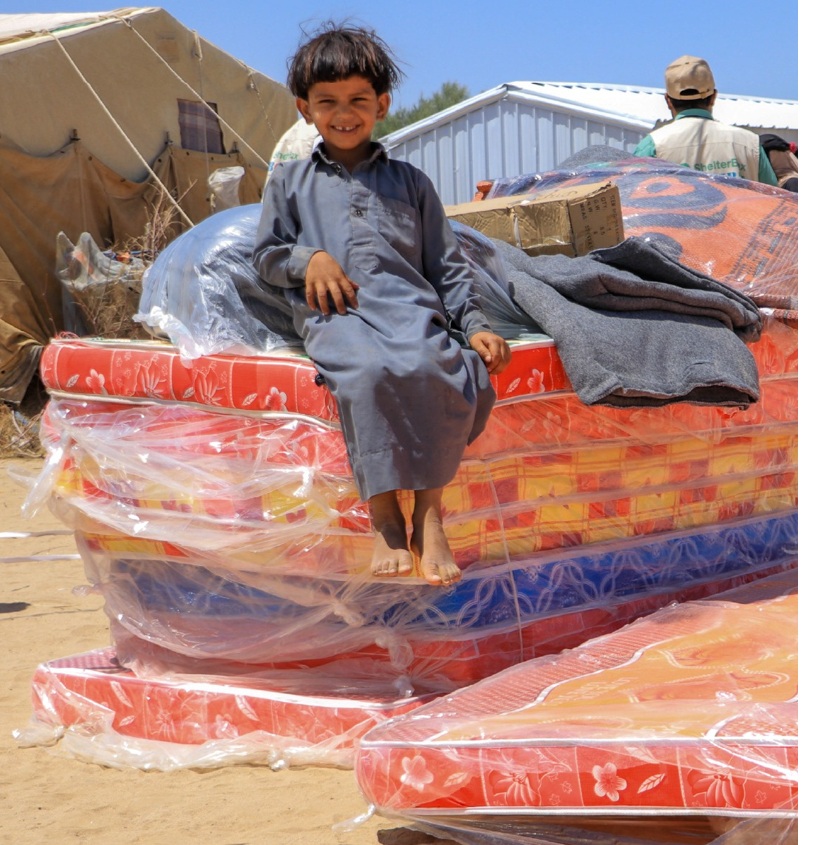
Shelterbox also provide items such as ground sheets, sleeping mattresses, and blankets. Kitchen items like pots and pans, dishes, utensils and clothing sets.
Once the need has been determined aid kits, which are sometimes now stored in depots in places which are estimated to be at risk, can be urgently transported to the devastated area. This reduces delivery time, lowers costs, and helps reach communities in crisis more quickly. The aid is delivered by any means possible, teams travel by foot, boat, helicopter or even tuk-tuk to get there. Whatever it takes!
By providing emergency shelter and tools for families robbed of their homes by disaster, despair is transferred into hope and the long process of rebuilding lives.
Transitional shelters
When it is not safe for people to return home, ShelterBox offers transitional shelters
which are designed for extended use. They provide essential stability when families don’t know when, or if, they can return home. Often needed in camps or sites far from where people originally lived, these shelters have supported communities in places like Cameroon, Burkina Faso, and Sudan, where people have fled violence or disaster.
Conclusion: So Why Shelter?
Shelter is the foundation for life.
It is a place to feel safe after days or weeks of fear. It offers protection from the weather, privacy, and helps to preserve dignity. It’s a space to heal from trauma.
Shelter and other essential aid items help people protect themselves from diseases like malaria and offer a sense of comfort and relief, giving people space to heal from physical and emotional trauma.
Shelter helps keep communities together, meaning people stay connected and build resilience together. Most importantly it empowers people to start the process of getting back on their feet.
ShelterBox often works in places that others don’t reach making sure that families who need support are able to take the next step in resuming their livelihoods.
From Cameroon to Syria, all the way to the Philippines and the Caribbean, ShelterBox has provided shelter to over three million people so far. It is currently responding in a number of countries, including Venezuela, Syria, Sudan, the Philippines and Nepal where catastrophic flash floods destroyed entire villages in late August.
Right now more than 120 million people around the world have been made homeless by disaster and conflict. ShelterBox is working to change this. ShelterBox won’t stop until we see a world where no family goes without shelter after disaster.